Safety Tips When Operating a Plasma Cutting Machine

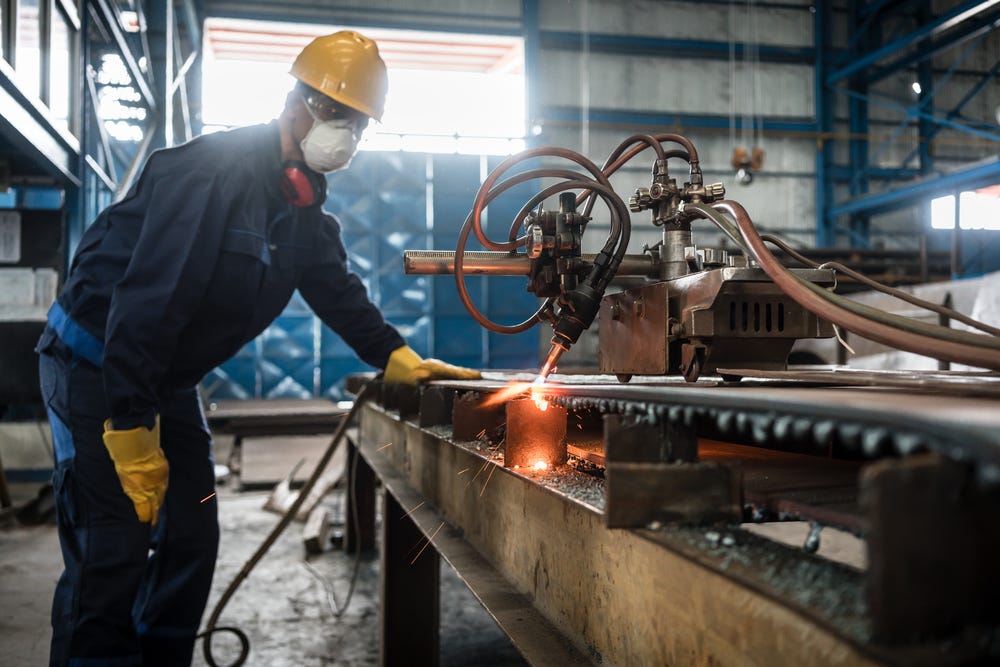
Plasma cutting machines have become an essential tool in metal fabrication, offering precision, speed, and versatility. Whether you are a professional welder or a hobbyist working on DIY metal projects, using a plasma cutting machine safely is crucial. These machines can cut through steel, aluminum, and other metals with remarkable accuracy, but without proper precautions, they also pose serious risks. Understanding safety guidelines is key to protecting yourself, your workspace, and your equipment.
Understand the Equipment
Before operating any plasma cutting machine, it’s essential to read the user manual thoroughly. Every model may have specific operating procedures, voltage requirements, and safety features. Familiarize yourself with the control panel, grounding requirements, and emergency shutoff features. If you’re using a plasma table cutter, ensure you understand the machine’s automation process and its limits to avoid accidents.
Wear Appropriate Personal Protective Equipment (PPE)
One of the most critical aspects of safety is wearing the correct PPE. Plasma cutting produces intense light, sparks, and molten metal, all of which can cause injury. At a minimum, operators should wear:
Flame-resistant clothing
Welding gloves to protect hands from heat and sparks
Safety goggles or a face shield to prevent eye injuries
Hearing protection, especially in enclosed or echo-prone areas
Even a brief exposure to the plasma arc without protection can cause severe burns or eye damage, so don’t skip this step.
Ensure Proper Ventilation
Plasma cutting generates fumes and gases that can be hazardous if inhaled over time. Operate your plasma cutting machine continuously in a well-ventilated area. For indoor workshops, consider using fume extraction systems or industrial fans to direct smoke away from your workspace. A plasma table cutter often produces higher volumes of fumes from continuous automated cutting, making proper ventilation even more critical.
Check Electrical and Gas Connections
Plasma cutting machines require a stable electrical supply and, in some cases, compressed gas. Regularly inspect cords, plugs, and connectors for damage or wear. For gas-powered machines, ensure hoses are free of leaks and fittings are secure. Proper grounding is essential to prevent electric shock, a common hazard when working with plasma cutting equipment.
Maintain a Safe Workspace
Keep your work area clean and organized. Remove flammable materials such as paper, wood, or chemicals from the cutting zone. Ensure there is enough space around your plasma table cutter to move safely and avoid tripping hazards. Sparks and molten metal can travel several feet, so maintain a safe perimeter and inform others nearby about ongoing cutting operations.
Follow Proper Operating Procedures
Always follow recommended cutting speeds, amperage settings, and material thickness guidelines. Avoid forcing the plasma torch through material, as this can damage the machine or cause unexpected sparks. Ensure the material is securely clamped and that the machine’s motion path is clear of obstructions.
Regular Maintenance and Inspection
Routine maintenance is vital for safe operation. Check consumables, electrodes, and nozzles regularly, as worn components can reduce cutting efficiency and increase the risk of accidents. Lubricate moving parts of a plasma table cutter as recommended and schedule periodic inspections to identify potential hazards before they become serious issues.
Conclusion
A plasma cutting machine is a powerful and versatile tool, but safety should always come first. By wearing proper PPE, ensuring ventilation, maintaining equipment, and keeping a clean workspace, you can minimize risks and operate confidently. Whether you’re using a handheld plasma cutter, following these safety tips ensures that your cutting projects are not only efficient but also accident-free. Proper training, preparation, and awareness are the keys to safely unlocking the full potential of your plasma cutting equipment.